Posted by Dr. Miguel Fernández Calderón: 07/07/2025
Nowadays, having a hourglass-shaped body is very popular among women, as they seek to showcase a small waist that contrasts with a silhouette featuring pronounced hip and breast curves. If this is what you desire for yourself, we’ll tell you everything you need to know about the wasp waist, discover what it is and how to achieve it.
What is a wasp waist?
A wasp waist is a physical characteristic defined by having a very narrow and slender waist that stands out due to its contrast with the width of the chest and hips.
It is a term that became popular in the late 19th and early 20th centuries and has been associated throughout history with an ideal of feminine beauty in some cultures.
Characteristics of a wasp waist
- The proportion between the waist and hip is less than the measure considered normal. If we divide the waist measurement by the hip measurement, the canonical value would be between 0.7 and 0.8, but when referring to a wasp waist, this reduces to 0.6 or less.
- Waist circumference measuring less than 60 centimeters.
- Having very pronounced curves, with greater volume in the hips and breasts, which makes the waist appear much smaller. For this reason, many also undergo breast augmentation and gluteal enhancement.
- Women with a wasp waist typically have hourglass-shaped bodies.
Origin and evolution of the concept
The wasp waist originates in ancestral cultures such as the Greek, where a narrow waist and wide hips were symbols of femininity and fertility. Later, during the Renaissance in Europe, having a small waist with voluptuous bodies became popular. This was due to the influence of fashion preferences among women of that era and cultural aspects.
In the 17th, 18th, and 19th centuries, the use of corsets became very common among women in pursuit of fitting beauty standards. However, this tight and rigid garment caused negative health consequences, ranging from breathing difficulties to damage to internal organs.
In the late 19th century, this concept began to change, and women started to wear looser silhouettes that proved more comfortable.

Benefits and risks
Aesthetic and health advantages
Achieving a wasp waist improves self-esteem and confidence, due to the new body shape and the way clothing fits.
Additionally, undergoing a procedure to achieve a narrow waist allows you to obtain a more defined and harmonious silhouette, by eliminating or removing localized fat and, in some cases (depending on the type of treatments), eliminating sagging skin.
Regarding health improvements, a waist reduction can correct diastasis recti. As well as improve posture, facilitate physical activity, and reduce back pain.
Risks and contraindications
Before undergoing any procedure to achieve a wasp waist, it is essential to consult with a specialized professional who can recommend appropriate treatment according to your needs. This will allow you to avoid risks of infections, bleeding, inflammation, or asymmetry.
Patients with uncontrolled chronic diseases, smokers, with very high or very low muscle mass index, and those with scarring problems are not candidates for undergoing a waist reduction.
Likewise, those who do not have realistic expectations regarding the results should not undergo this type of procedure.
Surgeries and aesthetic procedures
Liposculpture
Liposculpture is a surgical procedure designed to remove fat that accumulates in specific areas of the body, both in the superficial layers of the skin and in the deeper ones.
To achieve a wasp waist, the surgeon will make some small incisions in the abdominal and lateral areas where fat deposits are located. Thin cannulas are then introduced to begin aspirating and extracting adipose cells. This allows the figure to be sculpted, giving it a more rounded shape with more pronounced curves. By removing excess fat from these areas, the hourglass shape is accentuated.
Abdominoplasty
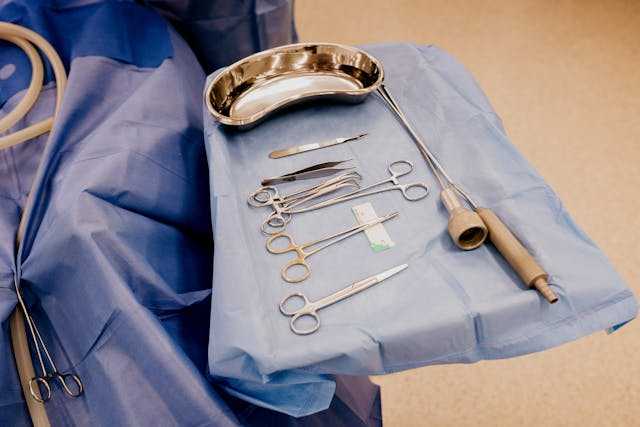
Another aesthetic surgery you can resort to for reducing waist size is abdominoplasty. This treatment removes sagging skin and excess fat that accumulates in the abdominal area and above and below the navel. Additionally, it helps keep the abdominal muscles in place and achieve a firmer abdomen.
Unlike liposculpture, which removes localized fat, abdominoplasty has other benefits. Despite being an invasive surgery requiring a large incision that extends along the entire waist, it not only eliminates fat from the abdominal area but also removes excess skin. The navel is repositioned, making it possible to achieve a smaller and more defined waist.
Lipofilling
Lipofilling stands out as a highly effective technique for achieving an hourglass waistline, as it allows for the removal of fat from the abdominal area and flanks. By reducing waist width and injecting autologous fat into the buttocks through fat transfer to the buttocks, and into the breasts to increase volume, you create greater contrast between waist, chest, and buttock size.
After lipofilling, hospitalization is not required, and recovery from this procedure typically takes about a week or slightly longer. This is because it is minimally invasive; however, it’s worth noting that its results are long-lasting.
Rib Contouring
This is a procedure to remove floating ribs—specifically, ribs 11 and 12—to achieve an hourglass waistline. With this rib resection surgery, you can have a silhouette with more curves.
This is performed under general anesthesia and takes about two hours, requiring an incision on the sides of the thorax. It involves hospitalization for one to two days.
Non-surgical methods to achieve an hourglass waistline
Achieving a defined figure with a small waist requires a combination of healthy habits, including a good exercise routine and balanced nutrition. These can be combined with aesthetic surgeries that refine your silhouette.
Targeted Physical Exercises
Within your daily training routine, it’s necessary to include specific exercises for the waist area, focused on the abdominal and oblique muscles, such as side planks, lateral leg raises, bicycle crunches, or torso and waist rotations with weight.
Additionally, you should incorporate cardiovascular exercises (swimming, walking, or dancing) that help eliminate accumulated fat, even in the waist and abdomen; and strength training exercises to tone your muscles.
You can also consider practices like yoga to achieve greater flexibility and better posture, as these have an impact on how your waist looks.
Nutrition and Diet
To achieve an hourglass waistline, exercise alone isn’t enough. Your diet plays an essential role in this journey.
The most recommended foods are fruits, vegetables, lean proteins, and healthy fats. To control weight, it’s also important to avoid overeating and limit portion sizes, and to drink sufficient water throughout the day.
It’s advisable to avoid, or at least greatly reduce, the consumption of sugary foods and beverages, as well as saturated fats.
Use of Shapewear and Corsets
Shapewear or corsets do not contribute directly to abdominal fat loss; these garments can complement exercise and a healthy diet, but they represent an alternative that offers only temporary results.
Prolonged use is not recommended because it can cause health problems such as breathing difficulties, digestive issues, weakening of abdominal muscles, and displacement of internal organs.
Furthermore, shapewear and corsets can produce a distorted body image and dependence on these garments to feel good about oneself.
Tight Lacing
Tight lacing or “waist training” is a practice that involves prolonged use (between 20 and 22 hours per day) of a tightly fitted rigid corset. The goal is to achieve extreme modification and reduction of the waist.
This practice can have negative consequences such as deformation of internal organs, respiratory problems, altered digestive function, atrophy of abdominal and back muscles, and irritation in the area. For these reasons, experts consider it a risky practice for health.
Non-invasive Aesthetic Treatments
Muscle electrostimulation through electrical impulses causes muscles to contract intensely and repeatedly, similar to what happens during physical activity, but with greater action on muscle fibers and in a localized manner. This achieves better muscle tone, reduces sagging, and accelerates metabolism.
On the other hand, high-intensity electromagnetic waves (HIFEM) penetrate the skin, generating contractions much more intense than those achieved through exercise. This strengthens abdominal muscles and reduces localized fat.
Practical Tips for Maintaining an Hourglass Waistline
As with any aesthetic procedure undertaken to achieve a better silhouette, the healthy habits implemented after surgery will determine treatment success, recovery, and long-term maintenance.

Healthy lifestyle habits
Having a healthy life requires a balance between physical exercise and balanced nutrition. This is why, after achieving waist reduction, the patient should focus on maintaining a balanced diet that prevents fat from accumulating again in the abdominal area and causing the waist to widen. Remember to include lean proteins, plenty of vegetables and fruits in your diet, while eliminating ultra-processed, sugary foods and those high in saturated fats.
Additionally, this should be combined with regular physical activity, including cardiovascular exercises to burn calories and eliminate fat, and abdominal strengthening exercises.
Remember that habits like smoking or consuming alcoholic beverages are unhealthy and contribute to weight gain, especially in the waist area; therefore, it’s advisable to avoid them.
Posture and Ergonomics
Good posture helps your wasp waist stand out more. To achieve better positioning, you should:
- Maintain a healthy weight.
- Stretch regularly to increase your flexibility and reduce tension on your muscles.
- If you work in an office, position your equipment and chair at the correct height.
- Perform core strengthening exercises such as crunches, lateral planks, air bicycles, leg raises, and others.
Conclusion
Achieving the body you desire is a perfect combination of an aesthetic procedure, proper nutrition, and a regular exercise routine. To achieve a wasp waist, patient genetics often influence body shape, but science and aesthetic medicine are also effective, which is why you can opt for liposuction, abdominoplasty, or lipofilling, always considering that these should be treatments performed by qualified and experienced professionals who guarantee successful results.
Following these procedures, your commitment to maintaining a routine of healthy habits is essential to keep the results over the long term.