Posted by Dr. Miguel Fernández Calderón: 07/08/2025
Gynecomastia is a surgical procedure in which enlarged breast tissue in men is reduced in size. The recovery process can be challenging, which is why it’s important to understand everything about gynecomastia post-operative care and recovery guidelines. Keep reading—we’ll explain everything here.
How long does it take to recover from gynecomastia surgery?
We understand that gynecomastia can be very uncomfortable for many men, and the most common way to address it is through surgical intervention.
Before undergoing this procedure, it’s important to understand that gynecomastia surgery recovery time depends on several factors.
First, the extent of the surgery and any additional procedures performed during the same operation matter. It’s common for gynecomastia to be combined with liposuction in the chest area.
Second, every person is different, and each body responds differently to surgery. Your overall health status and lifestyle habits before the procedure are equally important factors in recovery.
Recovery timeline and phases
Patients should understand the importance of proper rest during post-surgical recovery. Good rest combined with avoiding physical exertion is essential during the first few days.
Days 0–2: Semi-reclined rest position, initial pain and swelling management
In the immediate days following surgery, patients may experience significant pain. The first three days after the operation require complete rest. Pain, discomfort, and tenderness will gradually decrease during the first week.
During this stage, it’s recommended to sleep on your back with your torso slightly elevated to promote circulation and minimize swelling. It’s also important to take all medications prescribed by your surgeon to manage pain and inflammation, which can be intense during the first three days.
On the second day, patients may walk with minimal effort, as recommended by their physician.
Weeks 1–2: Compression garment use, progressive introduction of light physical activity
During the first two weeks, the compression garment or support garment should be worn 24 hours a day, removing it only for bathing.
Between weeks one and two, patients can gradually resume their daily routine, provided it doesn’t involve lifting heavy objects or intense physical activity that could increase blood pressure. Avoid raising your arms above head height.
Gradually, and according to your surgeon’s guidance, you’ll be able to return to normal activities.
Weeks 3–4: Reduced compression garment use, introduction of moderate exercise
Between weeks three and four, your surgeon may recommend reducing the hours of compression garment use following a physical examination. Moderate physical activity may also be cleared at this point.
Weeks 5–6: Return to intense activities, visible results
After week five, you can incorporate additional exercises into your routine with slightly increased intensity, though intense chest exercises should still be avoided (generally approved between weeks six and eight).
By this point, most swelling has subsided. Results become increasingly visible and closely resemble the final outcome.
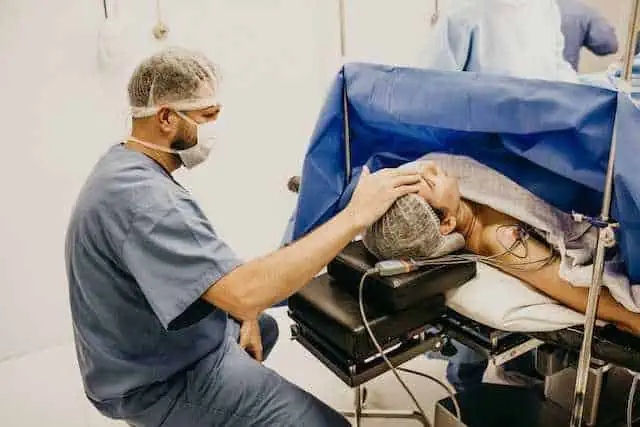
Post-operative care following gynecomastia surgery
After gynecomastia surgery in Madrid, it’s normal for patients to experience discomfort, moderate pain, sensitivity, swelling, and bruising.
With each passing day, these symptoms will gradually diminish and eventually disappear completely. However, it’s necessary to follow all recommended care guidelines and your doctor’s instructions for the best post-operative experience and faster recovery.
Post-surgery care is just as important as the procedure itself. Follow these guidelines for optimal recovery:
Compression garment use: duration and recommendations
Compression garments help reduce swelling and bruising, which are normal post-surgical effects. They also support the skin in the treated area to improve contour and ensure the skin adapts properly to its new shape.
Compression garments should be worn throughout the first week of recovery, all day long. During the second week, wear time is reduced to 18 hours daily.
The compression garment will be necessary until weeks three or four post-surgery.
Proper care and washing of the compression garment is essential to prevent infection. Wash it in cold water and allow it to dry completely.
Incision care and wound cleaning, infection prevention
Caring for incisions after any surgical procedure is essential for proper healing and infection prevention. Follow your surgeon’s instructions carefully, keep the wound clean and dry, and always wash your hands thoroughly before handling or cleaning the wound.
Generally, use only water and neutral soap to clean it, then ensure it dries thoroughly.
Swelling and pain management: pain medication, cold compresses, hydration
The surgeon will prescribe pain relievers to reduce pain and inflammation, and antibiotics if necessary. As with other procedures, the patient must completely avoid taking medications not prescribed by the surgeon, such as anticoagulants.
If you have any condition that requires continuous medical treatment, you should discuss this previously with the doctor, and he will make decisions about your medication consumption before and after the operation.
Cold compresses also help reduce inflammation and the appearance of bruising. It is recommended to apply them wrapped in a clean towel or cloth that reduces skin contact and thus prevents burns in the surgical area. They can be applied several times a day for 15 to 20 minute intervals, especially during the first 48 hours.
Staying well hydrated is essential for proper recovery, so you should drink plenty of water to maintain optimal body temperature and help eliminate toxins.
Proper nutrition and hydration
A liquid or soft diet at first and then a healthy diet with plenty of vegetables and fruits is most recommended. Foods that provide vitamins, minerals, and plenty of water are necessary in the recovery process.
Additionally, you should drink plenty of water or natural juices.
A healthy and balanced diet before and after gynecomastia surgery is very important for patients. It is essential to drink plenty of water or fruit juices to prevent dehydration.
The consumption of vitamins and supplements such as vitamin C, zinc, bromelain, and vitamin A can help patients recover faster by reducing bruising and inflammation.
Additionally, if the patient experiences severe pain in the first few days, it may be difficult to chew and swallow solid foods. If this is your case, a liquid and soft diet including soups, smoothies, gelatin, purées, or puddings is recommended.
Later, when you begin to feel better, you can start consuming solid foods, but always remember they should be healthy. Eat protein, plenty of fruits, and vegetables.
As with any surgery, alcohol consumption and smoking must be completely avoided both before and after gynecomastia surgery.
Managing discomfort and complications
Bruising, seromas, and warning signs
If significant bruising appears, the surgeon should examine it, and drainage will likely be necessary to prevent complications.
On the other hand, small seromas may disappear on their own, but in more severe cases, the surgeon must remove or drain the accumulated fluid.
Any symptom you consider abnormal—bleeding, excessive pain, or fever—are warning signs that should be reported immediately to the specialist.
When should you consult the surgeon?
If you observe signs of infection, inflammation, or excessive pain that does not respond to medication, problems with wound healing, or other symptoms such as fever, vomiting, or allergic reaction, it is time to request an immediate consultation with the surgeon to rule out possible complications.
As we mentioned before, returning to your daily routine will be gradual, and the surgeon will make the evaluation and indicate to the patient what can and cannot be done.
Frequently asked questions
What happens if I don’t wear a compression garment after gynecomastia surgery?
Not using the compression garment could worsen bruising, as compression garments help improve blood circulation in the surgical area.
In addition to this, you may not achieve the expected results because the garment works by reshaping the skin so that the contour looks better. Not using the compression garment for at least the first 15 days can cause swelling that alters your silhouette.
How long does swelling last after gynecomastia surgery?
The final results of gynecomastia surgery can be seen between three and six months after the procedure. During this period, the breast tissue heals completely and, consequently, the swelling disappears.
This guide on gynecomastia post-operative care and post-surgery care will help you learn more about what to expect after gynecomastia surgery. If you are considering undergoing this procedure, please book your free assessment and we will be happy to assist you.