Posted by Dr. Miguel Fernández Calderón: 25/08/2025
Grade 1 lipedema is a condition that primarily affects the quality of life of women. Identifying it in its early stages is important to prevent major complications. That’s why we explain the symptoms, how diagnosis is made, and the most effective treatments for this condition.
What is grade 1 lipedema?
Grade 1 lipedema is the initial stage of a chronic adipose tissue disease. It is characterized by abnormal accumulation of fat mainly in the hips, thighs, and buttocks. Although it can also occur in the arms in some cases.
The affected areas increase in density and present palpable fat nodules. It is often confused with cellulite.
How does it look in phase 1?
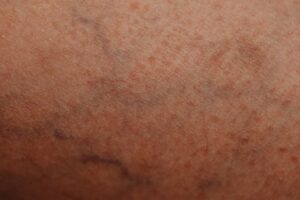
In this phase, the skin is smooth or has a slight texture similar to orange peel. But when touched, it is possible to feel small fat structures or nodules beneath it.
Typical affected areas
Grade 1 lipedema primarily affects the leg area. This includes thighs, hips, and buttocks.
In some cases, you may also notice mild growth in the diameter of the calves and arms.
Why doesn’t it respond to diet or exercise?
It doesn’t respond to diets or exercise because it is a chronic condition that affects adipose tissue.
Lipedemic adipose tissue has different metabolic behavior. It is resistant to lipolysis and is stored more easily.
Differences with other conditions
Lipedema vs obesity
Obesity is a disease caused by generalized excess body fat. It responds to diets and exercise and does not cause pain when touched.
While in lipedema fat accumulates disproportionately and is not eliminated through diet. Additionally, it causes pain in the affected areas.
Lipedema vs lymphedema (Stemmer sign)
In lipedema, fats accumulate, while in lymphedema the main problem is the accumulation of fluid.
To differentiate between both conditions, check if you can pinch the skin at the base of the second toe. If you can, it is lipedema; if you cannot, it is possibly lymphedema.
Lipedema vs cellulite
Cellulite is an aesthetic condition that only affects the superficial layers of the skin. While lipedema is a more complex disease that involves other symptoms such as pain and changes in fat structure.
Causes of grade 1 lipedema
The main causes are:
- Genetic factors: There is genetic predisposition to this disease. Between 15% and 64% of women who suffer from it have family history of the condition.
- Hormones: Hormonal changes caused by puberty, pregnancy, menopause, or contraceptives can start or worsen lipedema.
Factors that worsen symptoms
- Obesity: Excess weight can aggravate symptoms and accelerate disease progression.
- Sedentary lifestyle: Although exercise does not eliminate lipedema, leading a sedentary lifestyle can make symptoms more severe and bothersome.
- Stress and depression: Stress and depression disorders can intensify pain and discomfort caused by the disease.
- Poor diet: Consumption of sugary, processed foods and saturated fats increases tissue inflammation and fat accumulation, worsening symptoms.
Early symptoms (grade 1)
Understanding what lipedema is and how it affects health is important to treat it from the beginning. Below we explain the early symptoms of grade 1.
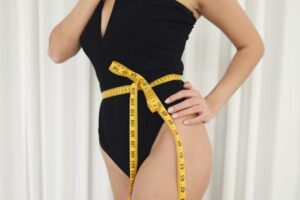
- Disproportion between torso and limbs: In the initial phase, the patient generally develops a pear-shaped body, but exaggerated. That is, the legs, buttocks, and hips are disproportionately large compared to the torso and waist.
- Symmetric and nodular fat accumulation: Fat accumulates symmetrically in both legs and sides of the hip. Additionally, if you touch the area, you will feel small nodules or lumps beneath the skin.
- Pain or tenderness to touch: When applying pressure to the affected areas, you will feel sharp pain. This occurs even if you lie on your side or cross your legs.
- Fat resistance to diet and exercise: The fat in the legs, hips, and thighs does not reduce significantly with exercise or diet.
- Unexplained bruising: The skin tissue in the affected areas becomes very fragile. So with minimal pressure, bruising can appear.
Anatomical types and their relationship with grade 1
Types I–IV
- Type 1: Fat accumulates mainly in the buttocks and hips. The body acquires an exaggerated “pear” silhouette.
- Type II: Fat spans from the hips to the knees. In this phase, it is possible to feel pain when applying pressure to the area.
- Type III: The most common. Fat accumulates on the inner side of the knees and above the ankles.
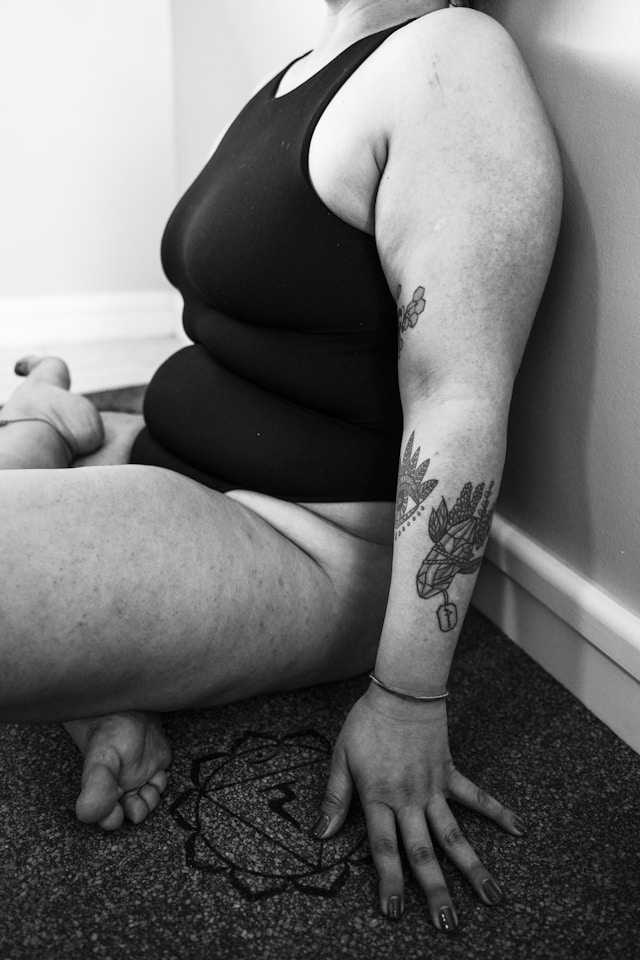
- Type IV: Fat accumulates in the arms, from the shoulders to the wrists, giving them a “padded” appearance. It is possible to feel pain when touching the area.
- Type V: Fat is located mainly in the calves, making them appear disproportionately large.
How grade and type combine for the therapeutic plan
The grade indicates the state of tissue and the type indicates the location of pathological fat.
For example, in grade 1, symptoms are mild and the treatment approach is generally conservative and preventive. And depending on the type, compression garments and exercises to perform are selected.
Diagnosis in grade 1: step by step
Clinical history and physical examination
The physician reviews the patient’s medical history and asks if there have been other cases of lipedema in the family. This helps determine if there is a genetic component.
Then a physical examination is performed, including analysis of fat distribution, tissue texture, and sensitivity of the area. Additionally, the presence of Stemmer sign is ruled out.
Complementary tests
To confirm diagnosis, tests such as the following are performed:
- Doppler ultrasound: To detect thickening of fatty tissue.
- Lymphography: Which evaluates lymphatic system function.
Differential diagnosis and referral criteria
Grade 1 lipedema can be confused with other conditions such as obesity, lymphedema, venous insufficiency, and others. That is why it is important for the physician to review aspects such as:
- The way fat is distributed.
- Pain to touch or pressure in the affected area.
- Fat resistance to diets and exercise.
- Changes in skin texture or color.
Conservative treatment
The main goal of treating grade 1 lipedema is to relieve symptoms and prevent complications or disease progression. This way, the patient will achieve better quality of life in the long term.
Compression
This involves the use of compression garments such as stockings or tights to improve blood and lymphatic circulation, reduce swelling, and decrease pain and feeling of heaviness.
The selection of garment type and how to wear them is specified by the specialist physician who made the diagnosis of your case. This ensures the best results without risks.
Lymphatic drainage and decongestive therapy
Lymphatic drainage consists of applying a massage technique that stimulates the lymphatic system in order to mobilize excess fluid and toxins from the affected areas to the lymph nodes for elimination.
For patients with grade 1 lipedema, attending sessions one or two times per week is recommended.
Recommended exercise
Low-impact exercises such as swimming, walking, cycling, yoga, and Pilates reduce inflammation and improve blood and lymphatic circulation. They also help control weight and strengthen muscles to protect joints.
Anti-inflammatory habits and diet
Although following an anti-inflammatory diet does not cure lipedema, it is an excellent way to reduce tissue inflammation and maintain a healthy weight.
Reduce consumption of sugary, ultra-processed foods, and saturated fats. And increase consumption of protein, fruits, vegetables, healthy fats, and water.
Surgical treatment in selected cases
Indications in grade 1
Before undergoing liposuction surgery to treat lipedema, the physician evaluates criteria such as:
- Failure of conservative treatment.
- Severe symptoms that affect the patient’s quality of life.
- Disease progression despite following conservative treatments.
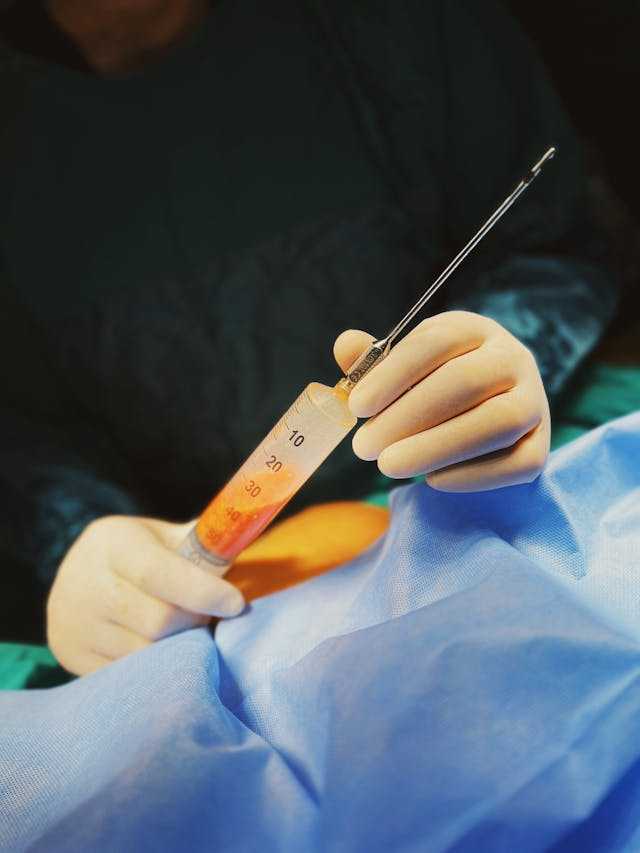
Techniques (WAL/tumescent) and lymphatic safety
These are quite effective and safe techniques applied by lipedema specialists in Madrid to treat lipedema and protect the lymphatic system. Their main objective is to reduce the burden of “diseased” fat to alleviate disease symptoms and prevent progression.
Recovery and expected results
For the first 4 weeks after surgery, you should wear compression garments all day. After this time, swelling will decrease and your physician will indicate how to reduce compression hours.
This procedure helps you reduce pain and other symptoms. But it is important to mention that it is not a cure for lipedema.
Risks and complications
Although surgical techniques recommended for treating cases of grade 1 lipedema are quite effective, they can present common risks such as infections, development of seromas and hematomas, skin irregularities, and others.
In some cases, accidental damage to lymphatic vessels occurs during surgery. This can cause or worsen lymphedema and lead to worsening of lipedema symptoms.
Daily life and self-care
Activity and sports plan
Engaging in low-impact sports or physical activity such as swimming, yoga, and walking helps protect your joints and reduce pain.
If you combine these activities with light strength training, it is also a way to eliminate cellulite that produces good results.
Skin care
Keep your skin hydrated with the help of creams, preferably fragrance-free, and drink enough water.
Weight control and realistic expectations
Preventing weight gain is crucial to avoid worsening the condition. To do this, maintain a balanced diet avoiding ultra-processed foods, refined flours, and excess salt.
Compression
Use compression tights or bandages following your physician’s guidance. This helps improve circulation, prevent fluid retention, and relieves pain.
To learn more about how this condition affects the lower extremities, consult our article on legs with lipedema and its specific characteristics.
Frequently asked questions (FAQ)
How to know if it is grade 1?
If you notice the following symptoms, you may have grade 1 lipedema:
- Disproportionate fat accumulation in hips and thighs.
- Pain and tenderness to touch of affected areas.
- Appearance of hematomas on legs from minor bumps.
- Appearance of small nodules beneath the skin.
Is compression forever?
It is not mandatory forever. But after recovery from liposuction, specialists recommend maintaining it for some hours daily on a permanent basis. This helps prevent disease progression.
Does liposuction cure lipedema?
Liposuction does not cure lipedema, as it is a chronic condition. But it is one of the most effective treatments to reduce symptoms and achieve a better quality of life.