Publicado por Dr. Miguel Fernández Calderón: 07/05/2024
Among those who wish to have a buttock augmentation and are looking for options within the existing aesthetic treatments, a BBL is presented as an excellent alternative, since it does not require the placement of implants. But before making a final decision, it is necessary to have as much information as possible about this process. With this in mind, we wanted to give you tips for an effective BBL recovery. So that you have a reference of what to expect once the procedure has been performed. Keep reading!
What is a BBL?
The acronym BBL stands for Brazilian Butt Lift, which is a cosmetic treatment in which autologous fat extracted from other areas of the patient's body is transferred to the buttocks.
Fat is taken from where there is excess adipose tissue, such as the abdomen, hips and thighs, with the objective of increasing the volume of the buttocks.
What are the risks of a BBL?
As with any surgery, a Brazilian butt lift also carries risks. Among the complications that can occur are: allergy to the anesthesia, infection, scarring problems, irregular appearance of the buttocks and excessive bleeding.
There is also the possibility, but very rare, that the fat is injected very deep, and as a consequence there is fat embolization; that is, the fat is passed into the blood and lodges in the heart or lungs, obstructing arteries and veins.
Be sure to find a qualified and experienced surgeon to perform this type of procedure to reduce the chances of serious complications.
The importance of proper recovery after a BBL
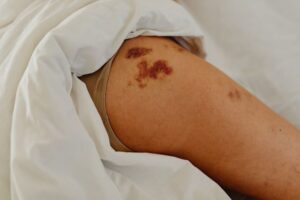
The preparation for a buttock augmentation with fat injection, the procedure itself and the care during recovery are essential actions to achieve better results and reduce the risk of complications such as: bruising, swelling, infections and scarring problems among others.
An optimal recovery process ensures better aesthetic results. Taking analgesics and/or anti-inflammatory drugs and the use of compression garments help to reduce swelling and achieve a more defined contour. As well as rest, self-care measures and a correct preparation before surgery, achieve a greater well-being for the patient.
Cronología de la recuperación (semanas / meses)
Primeras 48 horas
As the anesthesia wears off, it is normal to begin to feel pain and swelling. To control the pain and swelling, it will be necessary to take medication prescribed by the surgeon, which usually includes painkillers and anti-inflammatory drugs.
In addition, during this first stage you should use compression garments in the areas where liposuction and buttock augmentation were performed, so that the skin remains in its new position. Additionally, these types of girdles help reduce swelling.
En cuanto al descanso, la primera noche el paciente deberá estar en la clínica bajo observación médica
Semana 1
Una vez que vaya a casa, no hay que olvidar que el reposo es esencial para una adecuada recuperación, en especial durante la primera semana.
It is also essential to have a balanced and nutritious diet, rich in vegetables, fruits, whole grains and lean proteins, which contribute to accelerate the healing process and maintain a suitable body weight.
La movilidad luego de un levantamiento de glúteos brasileño es muy limitada al principio y se deben evitar las actividades extenuantes. l médico indicará al paciente que no podrá sentarse directamente sobre sus glúteos en las siguientes dos semanas, por lo cual será necesario dormir boca abajo o de costado, evitando hacer presión sobre el área tratada.
You should also be careful with the incisions, keeping them clean and dry according to the doctor's advice.
As the recovery period progresses, the person will begin to feel better and be able to move around a little more. Begin with gentle walking to improve circulation and help reduce swelling.
Semanas 2 a 4
Posterior a las dos semanas, es posible comenzar a sentarse, pero no por períodos muy largos, incluso deberá esperar unos dos meses para poder hacerlo con normalidad. En este período se puede llegar a sentir mucha picazón e hinchazón, pero es completamente normal.
A partir de la tercera semana tendrá mucho menos dolor e inflamación, y se podría comenzar a retomar algunas actividades cotidianas. Hacer caminatas cortas a un paso ligero ayudará a mejorar la circulación sanguínea.
Following the surgeon's instructions is key if you expect the postoperative period to go smooth, so you will have a better chance of getting the results you expect from this procedure. In addition, attending regular medical check-ups will allow the surgeon to measure the patient's evolution and if the recovery process is going as expected.
Semanas 5 a 8
Pasada la cuarta semana, es posible ir intensificando gradualmente el ejercicio físico, de acuerdo a la mejoría presentada y a las recomendaciones del cirujano. Aunque igual se debe evitar levantar peso y hacer actividades muy extenuantes.
Para una mejor recuperación, muchos pacientes optan por realizarse masajes linfáticos suaves, cuando el médico lo autoriza. Estos sirven para reducir la inflamación de la zona tratada, contribuyen a una mejor circulación y también evitan la retención de líquidos.
En esta etapa del postoperatorio aún es necesario seguir utilizando la prenda de compresión que permite mantener los glúteos en su nueva posición y contribuye a una recuperación más rápida.
Meses 3 a 6
Los meses siguientes el paciente ya puede retomar su actividad física regular y ya podrá lucir ante otros los resultados preliminares de la cirugía. Entre el mes tres y seis la inflamación y los moretones han comenzado a ceder y ya muestran unos glúteos definidos y con mayor volumen.
¿Cuándo se obtienen los resultados definitivos?
Entre seis meses y un año es el tiempo que debes esperar para que la inflamación residual disminuya y pueda dar paso a tu nuevo trasero.
Con el transcurrir de las semanas, poco a poco quedarán atrás el dolor y la inflamación para dar paso a tus nuevas nalgas con más volumen y un cuerpo más contorneado.
De aquí en adelante, hay que tener claro que no se pueden descuidar aspectos en nuestra rutina, como la buena alimentación, el ejercicio regular, un buen descanso y evitar hábitos como fumar y beber alcohol, que son el pilar fundamental para el mantenimiento de los resultados a largo plazo.

Cuidados y recomendaciones durante la recuperación
According to the information we have given you, and how the stages of recovery go, we offer you below a list of the necessary care for the recovery process of your BBL in Madrid to be as successful as possible.
Es esencial seguir las instrucciones de su cirujano al pie de la letra durante todas las etapas del proceso de recuperación.
Uso de prendas compresivas: duración y pautas
Usar prendas de compresión según las indicaciones del cirujano. El tiempo va a depender de cada paciente y puede ser pocas semanas, pero también puede ser algunos meses.
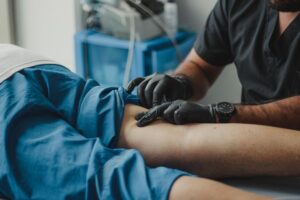
Masajes linfáticos u otras terapias de drenaje
Los masajes linfáticos son un complemento ideal para la recuperación de un BBL. Gracias a ellos se puede acelerar la recuperación, reducir la inflamación y la acumulación de líquidos.
Posiciones de dormir y cuándo volver a sentarse
Se recomienda dormir boca abajo o de lado al menos durante las tres primeras semanas, debido a que ayuda a aliviar la presión en la zona y reduce las molestias.
También es importante evitar sentarse sobre los glúteos durante mucho tiempo al menos las primeras 2 o 3 semanas, luego de esto se puede ir incrementando el tiempo sentado progresivamente.
Movilidad leve: cuándo caminar y moverse
Después de la primera semana es posible comenzar con caminatas suaves, que pueden ir aumentando su ritmo poco a poco y de acuerdo a lo recomendado. Moverse con cuidado y evitar realizar actividades extenuantes es indispensable las primeras semanas.
Nutrición, hidratación y descanso
Get enough rest so that the body can recover faster and better.
Mantener una dieta saludable, llena de vitaminas y nutrientes, así como beber suficiente agua todos los días. También es importante, evitar fumar y consumir alcohol. Ya que estos hábitos retrasan el proceso de curación natural del cuerpo, y además pueden aumentar el riesgo de complicaciones.
No olvides ser paciente y realista con respecto a su recuperación. Recuerda que es un proceso lento y progresivo. Acudir a las citas médicas de seguimiento.
Actividad física: cuándo y cómo retomarla
Ejercicio ligero vs ejercicio intenso
El ejercicio ligero como las caminatas suaves están permitidas luego de las primeras dos semanas. Mientras que, la incorporación de actividades más extenuantes debe ser progresiva entre las semanas seis y ocho del postoperatorio.
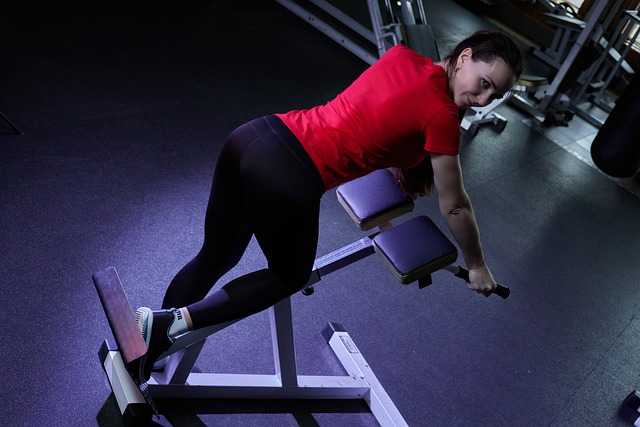
Reintegro progresivo: piernas, glúteos, cardio
Luego del tercer mes de la recuperación, puedes comenzar a trabajar la parte inferior del cuerpo. Primero con piernas, aductores y abdomen.
Aspects to avoid during recovery
- Sitting on the buttocks for very long periods of time.
- Smoking and drinking alcohol.
- Performing activities that require too much effort.
- Weight lifting.
- Consuming ultra-processed, sugary foods or unhealthy fats.
- Do not expose the treated area to the sun or take immersion baths.
Pain and discomfort management
Effective methods for pain relief
El médico recetará analgésicos y antiinflamatorios para manejar el dolor y la inflamación esperables después de la cirugía. Debes tomar las dosis correctas y en las horas indicadas para controlar el dolor y la hinchazón.
Asimismo, el uso de las prendas de compresión juegan un papel importante en el control del dolor e incomodidad. Esto puede ser complementado con la colocación de compresas frías durante 20 minutos varias veces al día.
Once cleared by the doctor, massage can be another way to deal with pain and discomfort.
¿Cuándo contactar a tu médico?
After this type of procedure it is considered normal to present pain, discomfort, swelling and some bleeding. But for any other symptom, it is necessary to contact the doctor. Fever, redness in the treated area, pus or too intense pain that is not relieved by medication may be a sign of infection.
In addition, if problems with wound healing, excessive bleeding, loss of sensation, vomiting, difficulty breathing or dizziness are observed, seek medical attention immediately.
Long-term care
The recovery process of a BBL is long and requires a lot of patience and effort, hence maintaining the results in the long term should be an indisputable goal in this process. We cannot forget that the results are not permanent, and that there may be changes in your buttocks in the years following the treatment.
Therefore, one should start by adopting a healthy lifestyle, in which good nutrition and regular exercise are always present.
Conclusion
In the recovery process of any surgery, we must be aware that each body is different and that the recovery period of a BBL will be unique in each patient, taking into account the history of each one, the methods used in the surgery, the experience of the surgeon, and also a fundamental aspect, the postoperative care.
If you have already decided, you can click here to check the price of a BBL and remember that after the surgery you must follow the surgeon's instructions, do not exert yourself during the first weeks, avoid sitting on your buttocks and eat well, drink plenty of water and avoid habits such as smoking and drinking. This will help you go through a faster and easier BBL recovery process, and get the buttocks of your dreams.