Posted by Dr. Miguel Fernández Calderón: 21/01/2025
Your face is your presentation to the world, and its care has become a ritual for many women. From creams to aesthetic procedures and surgery, there are many options available for achieving beautiful and rejuvenated skin. If you’ve been looking for ways to improve your facial appearance, in this article we’ll give you reasons to choose facial photorejuvenation as an effective alternative.
What is facial photorejuvenation?
Facial photorejuvenation is a non-invasive cosmetic treatment that uses laser, photodynamic therapy, or intense pulsed light (IPL) to improve skin appearance. It helps reduce the appearance of redness, spots, or sun damage, giving the face a more radiant and rejuvenated complexion.
Benefits of facial photorejuvenation
Reduction of spots and pigmentation
During facial photorejuvenation, the effect of pulsed light destroys damaged cells and reduces hyperpigmentation that causes spots, whether from sun exposure or aging.
Improvement of skin texture and tone
Among the most notable benefits is that facial photorejuvenation can make skin appear rejuvenated, even-toned, and radiant.
Stimulation of collagen production
Because light or laser penetrates deeper skin layers, it increases collagen and elastin production in the face.
Treatment of wrinkles and expression lines
Stimulating collagen production in the facial area is an effective way to fill wrinkles and diminish the marked appearance of expression lines.
Facial photorejuvenation procedure
Technologies used: IPL and laser
Unlike neuromodulator injections, facial photorejuvenation can use both laser and intense pulsed light (IPL) to rejuvenate skin.
Steps during a typical session
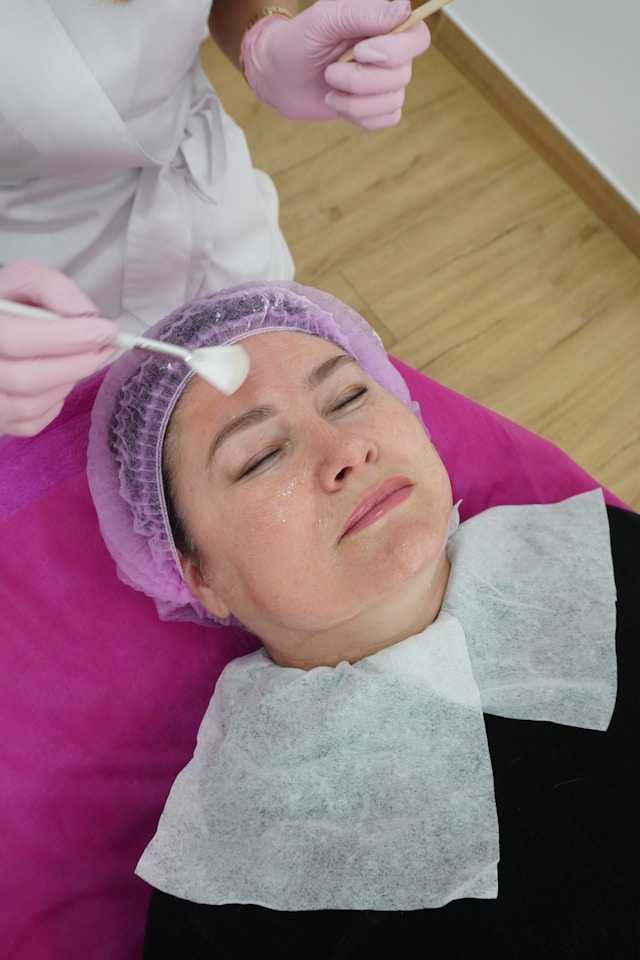
The first step in a facial photorejuvenation treatment is facial cleansing. Then a cool conductive gel is applied, which allows light to penetrate deeper skin layers, and protective glasses are placed over the eyes.
Using a handheld device, brief pulses of intense light are applied, which may feel like small pinches or produce a sensation of heat. Finally, the lubricant is removed.
Duration and recommended number of sessions
A facial photorejuvenation session can last between 15 and 40 minutes. The duration depends on the patient and skin conditions.
Skin type and treatment goals will determine the number of sessions needed. It’s possible to achieve favorable results with just one session, but some patients may require between three and six sessions to achieve optimal results.
It’s important to note that you should wait between three and six weeks between each session.
Ideal candidates for facial photorejuvenation
Appropriate skin types
The most suitable skin type for obtaining better results with facial photorejuvenation is lighter complexions. Patients with these characteristics allow the handheld device light to penetrate facial skin more easily without causing pigmentation changes.
People with very dark skin are more susceptible to experiencing changes in skin pigmentation after treatment.
Treatable skin conditions
Skin problems that photorejuvenation can treat include:
- Acne.
- Birthmarks.
- Brown spots or age spots.
- Dark spots caused by hormonal changes.
- Vascular disorders, such as rosacea and erythosis.
- Sunspots.
- Discolored skin.
- Hyperpigmentation.
- Freckles.
- Melasma.
- Scars.
- Spider veins.
Contraindications and precautions
Although it is a safe and effective treatment, it’s important to consider contraindications and what precautions you should take before undergoing the procedure.
- Pregnant women or those breastfeeding should avoid medical or aesthetic treatments involving radiation exposure.
- Patients diagnosed with skin cancer or those with precancerous lesions should not undergo facial photorejuvenation.
- Those with active infections anywhere on the body.
- People with immune system diseases such as lupus or vitiligo.
- People taking photosensitizing medications, such as antibiotics or anti-inflammatory drugs, as these make skin more sensitive.
- If you’ve recently been in the sun or tanned in tanning beds. For the procedure to be safe and results to be as expected, sun exposure should be avoided for three to four weeks before the session.
- People prone to developing raised scars or keloids.
Results and maintenance
Post-treatment expectations
The patient undergoing facial photorejuvenation seeks to improve facial skin appearance. They expect to have skin with a more even tone that looks radiant and rejuvenated. Additionally, for those with marked wrinkles or expression lines, this treatment is expected to soften their appearance and improve skin texture.
Additionally, more elastic and firm skin can be achieved, thanks to stimulation of collagen production.
Necessary post-care
To maintain results, it is important to:
- Use daily sun protection.
- Keep your skin well hydrated.
- Maintain a healthy lifestyle.
- Drink plenty of water.
Maintenance treatment frequency
The results of facial photorejuvenation are not as permanent as a facelift might be, which is why maintenance sessions may be necessary to extend your results. The frequency can be one or two times per year, depending on the patient’s skin condition.
Conclusion
There are many reasons to choose facial photorejuvenation, as it is a modern technique that offers numerous benefits for facial skin, quickly and with minimal discomfort. We emphasize the importance of consulting with a trained and experienced professional in this type of treatment to achieve the best results and reduce the risk of complications or skin problems caused by the procedure.