Posted by Dr. Miguel Fernández Calderón: 18/10/2024
There is some confusion surrounding what lipedema is. Some people associate it with obesity; however, it is a distinct condition related to genetics and hormonal changes. We explain how it affects your health and what treatments are available.
What is lipedema?
Lipedema is a condition that causes abnormal accumulation of fat cells in the extremities. It most commonly appears in the legs, but some people develop it in the arms.
This condition is more common in women than in men. It manifests with a disproportionate increase in adipose tissue, often accompanied by pain, touch sensitivity, and mobility problems.
Lipedema can be difficult to diagnose, which is why it is often confused with obesity. Some signs of this condition include disproportion between the extremities and the rest of the body, as well as palpable fat nodules.
Those who suffer from lipedema are not only affected by aesthetic changes, but it also has a significant impact on their quality of life.
Difference between lipedema and obesity
Due to the difficulty in diagnosing lipedema, this condition is often confused with other conditions such as obesity or cellulite. However, there are important differences among all of them.
Cellulite, for example, is characterized by the appearance of dimples in the skin. It is not painful and can appear in thin women.
Obesity, on the other hand, is associated with excess body weight. It can result from an unhealthy diet, sedentary lifestyle, and metabolic factors. A change in lifestyle can help overcome this condition.
In contrast, lipedema is not associated with weight fluctuations. A person can have a normal weight but experience a disproportionate and painful increase in certain areas. This condition does not respond to changes in diet or exercise, as obesity does.
Often, the difficulty in identifying lipedema is due to the person also suffering from obesity.
Causes and risk factors of lipedema
The exact origin of lipedema is still unclear, but it is associated with genetic and hormonal factors.
Genetic causes
Studies conducted to identify what lipedema is and what causes it have identified genetic variations that could lead to fat accumulation in the extremities.
This means there is a hereditary component to the development of lipedema. If someone in your family suffers from lipedema, you are more likely to develop this condition.
Hormonal factors
This condition is also linked to hormonal changes in women. That is, it can appear during puberty, pregnancy, or menopause.
Symptoms and diagnosis of lipedema
A woman with a slim waist and stable weight may present excessive fat accumulation in the legs. This can be a sign of lipedema, but it is not always easy to recognize. Below, we describe some common symptoms.
Visible signs of lipedema
Patients with lipedema may present some of these symptoms:
- Increased volume in the lower or upper extremities, disproportionate to the rest of the body.
- Sensation of swelling, especially after prolonged standing or sitting.
- Increased sensitivity in the affected areas. Touch can cause pain.
- Appearance of bruising in the affected area, even without obvious trauma.
- Appearance of fat nodules on the skin that are palpable to the touch.
Medical diagnostic methods
A specialist can diagnose lipedema through a physical examination. This evaluation observes the distribution of adipose tissue in the extremities, as well as sensitivity in the affected areas.
They will also review the patient’s medical history and family background. In some cases, imaging studies such as ultrasounds or magnetic resonance imaging are performed to rule out other disorders.
Available treatments for lipedema
There are various treatment options for lipedema. Some are minimally invasive while others require surgery. The specialist will determine the best option based on the severity of the condition.
Non-invasive treatments
Among non-invasive treatments, compression therapy stands out. In this case, the patient must wear compression stockings that will help reduce swelling and improve circulation in the legs.
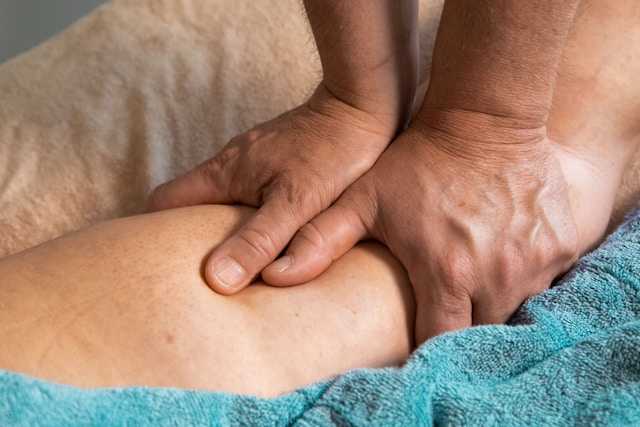
Manual lymphatic drainage is another alternative that helps improve circulation. Additionally, it reduces the accumulation of fluids in the affected area.
Unlike obesity, lipedema does not respond to exercise and diet. However, it is recommended to maintain an active lifestyle and healthy eating habits. As for exercise, swimming and activities that help improve mobility are recommended.
There are cases where medications for lipedema are also recommended. These are not specific to eliminating this condition, but rather to improve quality of life. For example, to control pain and improve circulation.
Surgical options for lipedema
When dealing with advanced cases of lipedema, surgical treatments are used. In this case, liposuction is performed to remove fat cells.
Along with this surgery, other procedures can be applied to improve body contour; specifically, the shape and function of the legs.
Liposuction is an option for controlling lipedema. The goal of this treatment is to remove fat cells in the affected area.
In addition to improving aesthetics, liposuction reduces symptoms such as pain and sensitivity.
If you would like to learn more about the different stages of this condition, we recommend reading our article on grade 1 lipedema and how to identify its first signs.
Prevention and management of lipedema
Prevention tips
Lipedema cannot be prevented, but monitoring changes in your body helps reduce the risk of developing this condition. If you notice any unusual changes in the distribution of fat in your extremities, this is a warning sign. Early detection allows for more effective treatments.
Try to maintain a healthy weight. While this will not eliminate lipedema, it will help prevent symptoms from worsening.
Managing lipedema through diet and exercise
Diet and exercise do not cure lipedema, but they help manage symptoms. It is recommended to follow an anti-inflammatory diet and avoid processed foods, refined sugars, and trans fats.
Perform low-impact exercises to help improve overall health.
Lipedema can affect the quality of life of those who suffer from it, as it can cause pain and sensitivity, in addition to aesthetic concerns. However, early detection can make a significant difference.