Posted by Dr. Miguel Fernández Calderón: 26/06/2025
Both perimenopause and menopause are stages in which women experience many changes, physically and emotionally, that generate numerous doubts and uncertainties. One of them is related to the changes that occur in the breasts; in some cases they vary in size, and many women wonder how to reduce breast size during menopause. Keep reading and you’ll find many answers.
Breast Changes During Menopause
How Hormones and Breast Tissue Fluctuate
During menopause, women experience a decrease in estrogen and progesterone hormones, which is why breasts lose their elasticity and firmness. As a result, they appear sagging and flaccid.
Breast Enlargement, Reduction, or Sagging and Common Causes
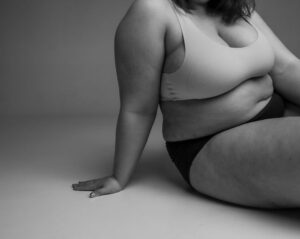
Breasts can change in appearance during menopause. In some women, breasts can become larger if they gain weight, since there is less glandular tissue but greater fat accumulation in that area of the body.
In other women, breasts may reduce in size or develop sagging breasts (breast ptosis), caused by decreased estrogen, and therefore no longer appear as firm and lose volume.
It is also possible for breasts to experience texture changes because skin becomes thinner and less hydrated.
Natural and Non-Invasive Solutions
Dietary Adjustments to Balance Hormones and Breast Fat
To balance estrogen loss, you can include foods containing phytoestrogens (plant compounds that slightly mimic the action of estrogen in the body) in your diet; such as: soy, flaxseed, sesame, chia, nuts, legumes, red fruits, broccoli, cauliflower, and other cruciferous vegetables.
Another way to reduce breast size during menopause would be by reducing body weight. This can be achieved by consuming fewer calories than you burn, controlling food portion sizes, reducing the consumption of fried and ultra-processed foods, as well as refined sugar and simple carbohydrates.
Recommended Exercises to Strengthen and Firm
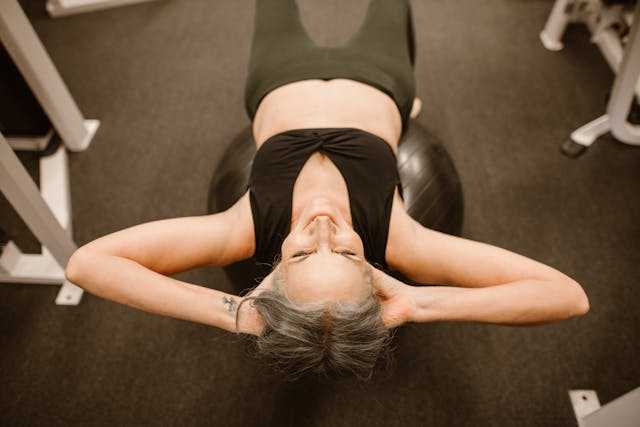
A specific exercise routine for the pectoral muscles can help improve posture and provide greater firmness to this area of the body.
Training should include weightlifting, dumbbells, or resistance bands. Push-ups, bench press, chest flies, and shoulder press with dumbbells, and resistance band rows are some exercises that can help you strengthen and firm the chest.
Breast Reduction Surgery During Menopause
Who is a Candidate and When to Consider It?
Breast reduction surgery is an alternative for menopausal women who wish to reduce the size of their breasts, including fat, glandular tissue, and skin. This surgery is effective in cases where physical discomfort, pain, postural difficulties, or aesthetic and psychological issues related to breast size are significant and affect patients’ daily lives.
Benefits, Risks, and Postoperative Care
Breast reduction surgery can help alleviate pain in the back, neck, and shoulders. It improves posture, allows for greater comfort when performing physical activities, and can even make it easier to find clothing. Regarding aesthetics, reducing breast size can improve body image and self-esteem.
The risks associated with breast reduction surgery are the same as those of any surgery. Bleeding, risk of infection, adverse reaction to anesthesia, bruising, scarring problems, sensitivity, and asymmetry are some of the most common.
It is important to consider proper care after surgery for faster and more effective recovery. Following your doctor’s instructions, wearing a compression garment, avoiding heavy lifting or strenuous physical activity is essential for proper postoperative care. It is also recommended to maintain a healthy diet and avoid tobacco and alcohol consumption.
Expected Results and Breast Evolution
After breast reduction surgery, although final results may be evident after several months, the patient will notice an immediate reduction in breast size and weight. Feeling relief in the shoulders, neck, and back.
In the first few days, it is normal to experience pain, swelling, and some bruising, which will gradually disappear within six to eight weeks. By the third month, the breast will be settled, showing results similar to the final outcome.
It should not be forgotten that the body will continue to age naturally, and changes in breast size, firmness, and appearance may occur; however, in general terms, the shape obtained after breast reduction surgery can be maintained long-term.
Comparison: Natural vs. Surgical
Pros and Cons of Each Approach
Natural breast reduction during menopause focuses on decreasing body fat and firming the tissues located beneath the breasts. This is achieved through exercise and diet, but it is important to keep in mind that with these options, you cannot change the amount of breast tissue or the appearance of breasts affected by gravity. Additionally, it requires discipline and patience.
On the other hand, breast reduction surgery is highly effective for removing excess glandular tissue, fat, and sagging skin from the breasts. It also allows for repositioning of the nipple and areola. This achieves lasting physical changes and improvements in self-esteem. However, it is important to consider the risks involved in surgery, recovery time, and scarring.
Cost, recovery time, and sustainability
The cost of breast surgery, such as a mammoplasty, can range between €4,500 and €9,500, a larger investment than what would be involved in exercising or maintaining a balanced diet.
For its part, surgery requires several weeks to up to three months for recovery, with the advantage that results are maintained long-term with proper care. In contrast, a more natural approach requires greater dedication and results depend on maintaining proper nutrition and performing your exercise routine regularly.
Recommendations for making the right choice
Medical consultations and specialists
Women in perimenopause or menopause may need specialist support to transition in the best possible way. An endocrinologist can detect hormonal imbalances, as well as problems with weight and metabolism, which are common during menopause.
A gynecologist is the specialist who can diagnose perimenopause or menopause, which is characterized by hot flashes, night sweats, vaginal dryness, mood changes, menstrual cycle disruptions, and breast changes.
In patients where the shape of their breasts is a concern, consultation with a plastic surgeon can help determine whether a mammoplasty is advisable.
Warning signs: when to see a professional
If changes in the breasts are observed, such as lumps, nipple discharge, alterations in the shape or size of the breasts, inverted nipples, or changes in skin appearance, these can be signs of breast cancer, so it is important to seek consultation with a healthcare professional.
In summary, there are natural and surgical ways to reduce breast size during menopause. For those who have no problem undergoing surgery, a mammoplasty is an excellent alternative for changing the shape and size of the breasts during this stage. There are also simpler and less invasive methods, but these require dedication and effort on the patient’s part to exercise and follow a diet.
Whatever option you choose, we recommend always working with a healthcare professional, whether a general practitioner, gynecologist, or plastic surgeon.