Posted by Dr. Miguel Fernández Calderón: 07/05/2024
Among those seeking to enhance their buttocks and exploring aesthetic treatment options, a BBL presents an excellent alternative since it does not require implant placement. However, before making a final decision, it is essential to have all available information about this procedure. With this in mind, we want to provide you with the keys to effective recovery after a BBL, so you have a clear understanding of what to expect once the procedure is complete. Keep reading!
What is a BBL?
The acronym BBL stands for “Brazilian Butt Lift,” an aesthetic treatment in which autologous fat extracted from other areas of the patient’s body is transferred to the buttocks.
Fat is taken from areas with excess adipose tissue, such as the abdomen, hips, and thighs, with the goal of increasing the volume of the buttocks.
What are the risks of a BBL?
Like any surgical procedure, a Brazilian buttock lift carries certain risks. Potential complications include anesthesia allergies, infection, scarring problems, irregular buttock appearance, and excessive bleeding.
There is also a rare possibility that fat could be injected too deeply, potentially causing fat embolism—where fat enters the bloodstream and lodges in the heart or lungs, obstructing arteries and veins.
Be sure to choose a qualified, experienced surgeon to perform this procedure and reduce the likelihood of serious complications.
The Importance of Proper Recovery After a BBL
Both the preparation for buttock augmentation with fat injection, the procedure itself, and post-operative care are essential actions to achieve better results and reduce the risk of complications such as bruising, swelling, infections, and scarring issues.
An optimal recovery process ensures superior aesthetic results. Taking pain relievers and/or anti-inflammatory medications along with compression garments help reduce swelling and achieve a more defined contour. Rest, proper self-care measures, and thorough pre-surgical preparation all contribute to greater patient well-being.
Recovery Timeline (Weeks / Months)
First 48 Hours
As anesthesia effects wear off, pain and swelling are normal. To manage discomfort and inflammation, you’ll need to take medications prescribed by your surgeon, typically including pain relievers and anti-inflammatory drugs.
Additionally, during this initial phase, you should wear compression garments in the areas where liposuction and buttock augmentation were performed, so the skin maintains its new position. These compression garments also help reduce inflammation.
Regarding rest, the first night the patient should remain at the clinic under medical supervision.
Week 1
Once you go home, remember that rest is essential for proper recovery, especially during the first week.
A balanced, nutritious diet rich in vegetables, fruits, whole grains, and lean proteins is also crucial, as these help accelerate the healing process and maintain a healthy body weight.
Mobility after a Brazilian buttock lift is very limited at first, and strenuous activities should be avoided. Your surgeon will advise that you cannot sit directly on your buttocks for the following two weeks, so you’ll need to sleep on your stomach or side, avoiding pressure on the treated area.
You should also be careful with incisions, keeping them clean and dry according to your surgeon’s instructions.
As recovery progresses, you’ll begin to feel better and can move a bit more. Start with gentle walks to improve circulation and help reduce inflammation.
Weeks 2 to 4
After two weeks, you can begin to sit, but not for extended periods. You should wait about two months before sitting normally. During this period, you may experience significant itching and swelling, which is completely normal.
From the third week onward, pain and inflammation will decrease significantly, and you can begin to resume some daily activities. Short walks at a brisk pace will help improve blood circulation.
Following your surgeon’s instructions is key to ensuring the post-operative period progresses normally, giving you the best chance of achieving the results you expect from this procedure. In addition, attending regular medical check-ups will allow your surgeon to monitor your progress and ensure your recovery is on track.
Weeks 5 to 8
After the fourth week, you can gradually intensify physical exercise according to your improvement and your surgeon’s recommendations. However, you should still avoid heavy lifting and strenuous activities.
For better recovery, many patients opt for gentle lymphatic massage once approved by their doctor. These massages help reduce inflammation in the treated area, improve circulation, and prevent fluid retention.
At this stage of the postoperative period, it is still necessary to continue using the compression garment that allows you to maintain your glutes in their new position and contributes to faster recovery.
Months 3 to 6
In the following months, the patient can resume their regular physical activity and will already be able to show others the preliminary results of the surgery. Between the third and sixth month, swelling and bruising have begun to subside and you will now see more defined and voluminous glutes.
When will you see final results?
Between six months and one year is the time you should expect for residual swelling to diminish and reveal your new, fuller buttocks.
As the weeks pass, pain and swelling will gradually fade away to reveal your new, more voluminous glutes and a more contoured body.
From here on, it is important to understand that we cannot neglect aspects of our routine, such as proper nutrition, regular exercise, adequate rest, and avoiding habits like smoking and alcohol consumption, which are the fundamental pillars for maintaining your results in the long term.

Care and recommendations during recovery
Based on the information we have provided and how the recovery stages progress, we offer you below a list of the necessary care so that your BBL in Madrid recovery process is as successful as possible.
It is essential to follow your surgeon’s instructions to the letter throughout all stages of the recovery process.
Use of compression garments: duration and guidelines
Wear compression garments as directed by your surgeon. The duration will depend on each patient and can be a few weeks, but it can also be several months.
Lymphatic massage and other drainage therapies
Lymphatic massages are an ideal complement to BBL recovery. Thanks to them, you can accelerate recovery, reduce swelling and fluid accumulation.
Sleeping positions and when to resume sitting
It is recommended to sleep on your stomach or side for at least the first three weeks, as this helps relieve pressure on the area and reduces discomfort.
It is also important to avoid sitting on your glutes for extended periods for at least the first 2 to 3 weeks; after this, you can gradually increase your sitting time progressively.
Light mobility: when to walk and move
After the first week, it is possible to begin with gentle walks, which can gradually increase in pace according to recommendations. Moving carefully and avoiding strenuous activities is essential in the first few weeks.
Nutrition, hydration, and rest
Get sufficient rest so your body can recover faster and better.
Maintain a healthy diet full of vitamins and nutrients, as well as drink sufficient water every day. It is also important to avoid smoking and alcohol consumption, as these habits slow down your body’s natural healing process and can increase the risk of complications.
Remember to be patient and realistic about your recovery. Keep in mind that it is a slow and progressive process. Attend all follow-up medical appointments.
Physical activity: when and how to resume it
Light exercise vs. intense exercise
Light exercise such as gentle walks are permitted after the first two weeks. Whereas the incorporation of more strenuous activities should be progressive between weeks six and eight of the postoperative period.
Progressive reintegration: legs, glutes, cardio
After the third month of recovery, you can begin to work the lower body. First with legs, adductors, and abdomen.
Aspects to avoid during recovery
- Sitting on your glutes for prolonged periods.
- Smoking and drinking alcohol.
- Performing activities that require excessive effort.
- Lifting heavy weights.
- Consuming ultra-processed, sugary foods, or unhealthy fats.
- Do not expose the treated area to the sun, nor take immersion baths.
Pain and discomfort management
Effective methods to relieve pain
Your doctor will prescribe pain relievers and anti-inflammatory medications to manage the pain and swelling expected after surgery. You should take the correct doses at the times indicated to control pain and swelling.
Additionally, the use of compression garments plays an important role in controlling pain and discomfort. This can be complemented by applying cold compresses for 20 minutes several times a day.
Once your doctor gives you the go-ahead, massages can be another way to deal with pain and discomfort.
When to contact your doctor
After this type of procedure, it is normal to experience pain, discomfort, swelling, and some bleeding. However, if you experience any symptoms beyond this, it is necessary to contact your doctor. Fever, redness in the treated area, pus, or pain that is too intense and does not improve with medication may be a sign of infection.
Additionally, if you observe problems with wound healing, excessive bleeding, loss of sensation, vomiting, difficulty breathing, or dizziness, seek medical attention immediately.
Long-term care
The BBL recovery process is long and requires much patience and effort, which is why maintaining your results in the long term should be an indisputable goal in this process. We cannot forget that the results are not permanent, and that there may be changes in your glutes in the years following treatment.
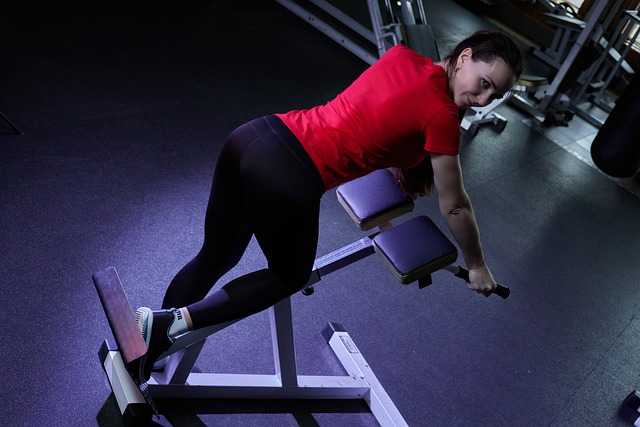
Therefore, you should begin by adopting a healthy lifestyle, in which proper nutrition and regular exercise are always present.
Conclusion
In the recovery process following any surgical procedure, it is important to understand that each body is different and that the recovery period after a BBL will be unique for each patient, taking into account individual medical history, surgical techniques used, surgeon experience, and importantly, post-operative care protocols.
If you have already made your decision, you can click here to check the cost of a BBL and remember that after surgery you must follow your surgeon’s instructions, avoid strenuous activities during the first weeks, refrain from sitting on your buttocks, and maintain proper nutrition, drink plenty of water, and avoid habits such as smoking and drinking. Following these guidelines will ensure a faster and smoother recovery process after your BBL, allowing you to achieve the buttocks of your dreams.