Posted by Dr. Miguel Fernández Calderón: 19/05/2025
The practice of contact sports can result in certain temporary or permanent injuries, depending on the degree of damage or the medical attention athletes receive. One of these injuries is cauliflower ear, which, although little known, studies indicate is very common in this type of sports practice, which is why it is also known as boxer’s ear. Below we will learn more about the causes, prevention and aesthetic solutions.
What is cauliflower ear?
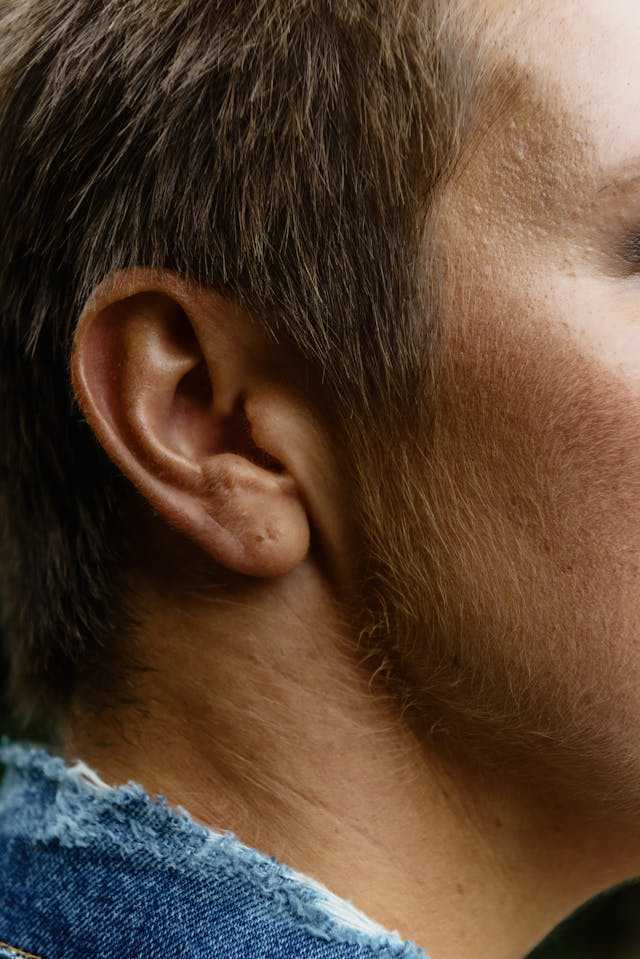
Cauliflower ear is a condition affecting the outer ear following trauma that causes fluid or blood to accumulate under the perichondrium. Injuries to the ear cause the skin to separate from the cartilage, and the ear loses its shape. As the injury begins to heal, the ear acquires a wrinkled appearance, giving it a shape similar to that of a cauliflower, hence the name.
Main characteristics
When a blow or trauma occurs to the ear, blood accumulates and this can cause a clot. Over the following days, it begins to scar and harden, causing changes in the ear’s shape, giving it an appearance similar to a cauliflower.
Without medical attention, scarring can become a permanent deformity.
Associated sports and activities
It is a frequent condition in combat athletes and sportspeople, such as wrestlers, boxers, martial arts practitioners, rugby players and other contact sports athletes.
Causes and risk factors
Repetitive trauma to the auricle
The primary cause of cauliflower ear is repeated blows or constant trauma to the ear, which interrupts blood flow to the cartilage. Patients with auricular hematomas who do not receive timely medical attention or appropriate treatment may also develop boxer’s ear, because the fluid or blood is not drained and, as it dries naturally, the ear tends to deform.
Associated medical conditions
Medical studies have linked cauliflower ear with autoimmune rheumatic diseases, such as relapsing polychondritis, because this condition causes inflammation of the cartilages, such as those in the ear, and when the condition is severe, cauliflower ear can develop.
Perichondritis is another cause of cauliflower ear, as it is an infection that occurs in the perichondrium (the layer covering the cartilage) and this can cause ear deformation.
Factors that increase susceptibility
As we mentioned, this type of injury is very common in contact sports; therefore, those who practice this type of sport are at high risk.
Additionally, the risk increases in athletes who do not use the necessary protective equipment, or use it incorrectly.
Those who have previous ear injuries, such as perforations, are more susceptible to developing cauliflower ear. The same applies to those who have had significant ear hematomas and did not receive timely medical attention.
Perichondritis: another cause of cauliflower ear
Perichondritis causes inflammation of the tissue surrounding the ear cartilage. Sometimes it can develop into an abscess.
When the perichondrium becomes inflamed, it can interrupt blood flow to the cartilage, causing its death and deformation. In many cases, perichondritis is the underlying cause of cauliflower ear.
Symptoms of perichondritis include:
- Pain and swelling in the ear.
- Redness and warmth in the affected area.
- Fever.
- Pus discharge.
If you experience any of these symptoms, it is important that you consult a doctor immediately for treatment and to prevent complications.
Symptoms and diagnosis of boxer’s ear
The following signs may indicate cauliflower ear:
- Swelling in the ear, caused by the accumulation of fluid or blood.
- Redness in the area surrounding the ear and tenderness to touch.
- Ear and head pain. Depending on the patient’s condition, they may experience varying levels of pain or discomfort.
- Hearing loss. Some patients may experience reduced hearing ability due to accumulated fluid or pressure in the ear canal.
- Bleeding in the ear.
- Ringing in the ears.
Diagnostic methods and deformity classification
A physical examination of the ear, head and neck by a health professional can be the starting point for detecting cauliflower ear. The doctor may need to check for eardrum rupture, request a neurological evaluation or a CT scan to complement the diagnosis.
If you need ear surgery, remember to check what is the minimum age for otoplasty.
Treatment of cauliflower ear in Madrid
Seeing your doctor in Madrid promptly can prevent the formation of cauliflower ear. The choice of the most appropriate treatment depends on how advanced the condition is.
Non-surgical treatments
If treated within the first 48 hours, drainage is performed to remove accumulated blood.
An incision and subsequent drainage of fluid or blood represents timely treatment for this condition, as it prevents the ear deformation from becoming permanent.
After drainage, compression bandages are applied and antibiotics are prescribed.
Surgical interventions (otoplasty)
In the most severe cases, surgery may be necessary to reshape the cartilage and remove scar tissue. Plastic surgeons in Madrid specialized in ear reconstruction will help you restore the appearance of your ears.
Ear surgery or otoplasty is an aesthetic procedure through which the appearance of the ears can be improved and the deformation caused by cauliflower ear can be corrected.
Cauliflower ear: before and after
Cauliflower ear formation is preventable. In the case of contact sports, wearing appropriate protection is essential to protect your ears from repetitive trauma.
What happens when proper measures are not taken or the problem is not addressed in time is that blood accumulated in the area coagulates and forms scar tissue that thickens and deforms the ear. This causes a permanent change in the appearance of the ears.
The consequences are not only aesthetic. It can also cause chronic pain and infections.
Once the tissue scars, the solution is surgical. Intervention by a plastic surgeon can improve the appearance of the ears by removing scar tissue. After surgery the patient will have ears with a more natural shape; however, it should be considered that it is likely the cartilage will not fully recover its shape.
Prevention and care
Protective equipment in contact sports
When practicing contact sports, it is essential to use an appropriate protective helmet for the sport. Additionally, it is important to ensure the helmet is properly fitted to guarantee it fulfills its function of protecting the ears.
Importance of early medical care
Seeking treatment promptly reduces the risk of developing cauliflower ear, which is why it is essential to see a doctor immediately for a timely diagnosis. This way you can avoid a facial surgery, such as otoplasty.
Psychological and social aspects
Impact on self-esteem and personal perception
Having cauliflower ear has a direct impact on a person’s self-esteem and the way they see themselves, as the ear deformity becomes evident, generating complexes and insecurities. This condition can also cause anxiety or depression.
The patient’s life can be affected, as they may not feel confident in social situations or may find it difficult to wear ear accessories, such as earrings or headphones.
Cultural and sports considerations
In contrast, in the sports world, cauliflower ear can be viewed with pride and considered a mark of courage and determination. In some cases, athletes accept this condition and take it as an experience and part of their story.
In summary, if you suspect you may be developing cauliflower ear or have noticed any of the symptoms such as ear deformation, swelling, redness, hearing problems, or bleeding, do not hesitate to schedule a medical appointment for a check-up. Remember that timely treatment can prevent ear deformity from becoming permanent.
If you require surgery to correct a boxer’s ear injury, take the opportunity to consult with your doctor about the cost of otoplasty in Madrid.
References:
- https://www.msdmanuals.com/es/professional/trastornos-otorrinolaringol%C3%B3gicos/trastornos-del-o%C3%ADdo-externo/pericondritis-del-o%C3%ADdo
- https://www.gaes.es/enfermedades-oido/infecciones-problemas-oido/oreja-de-coliflor-y-otohematoma
- https://tenacesports.com/blogs/noticias/guia-completa-para-evitar-la-oreja-de-coliflor-sin-dejar-de-entrenar