Posted by Dr. Miguel Fernández Calderón: 08/11/2024
If you’re looking for an effective solution to eliminate fat accumulated in certain parts of your body, Lipovaser may be what you need. If you’re wondering, what is Lipovaser? Below we’ll tell you everything you need to know about this liposuction technique that can give you a more defined and contoured figure.
What Is Lipovaser
Lipovaser or high-definition Vaser liposuction is an aesthetic procedure that uses a cannula emitting ultrasonic energy to optimize the extraction of fat accumulated in specific body areas, with the goal of achieving better body contouring. Thanks to ultrasound, fat cells are broken down and then eliminated through liposuction.
Origin of Lipovaser
Advances in technology have made it possible to improve traditional procedures, such as liposuction and HD liposuction, and this is how Lipovaser emerged. In the search for innovative methods that offer better results and are less invasive for patients, plastic surgeons wanted to find a method to liquefy fat to minimize impact on surrounding tissues.
How Does Lipovaser Work?
Ultrasound Technology Applied to Liposuction
The pulses of ultrasonic energy emitted by the specialized cannula break down fat cells and allow surgeons to treat body areas with fat deposits with greater precision, resulting in a more toned and defined body.
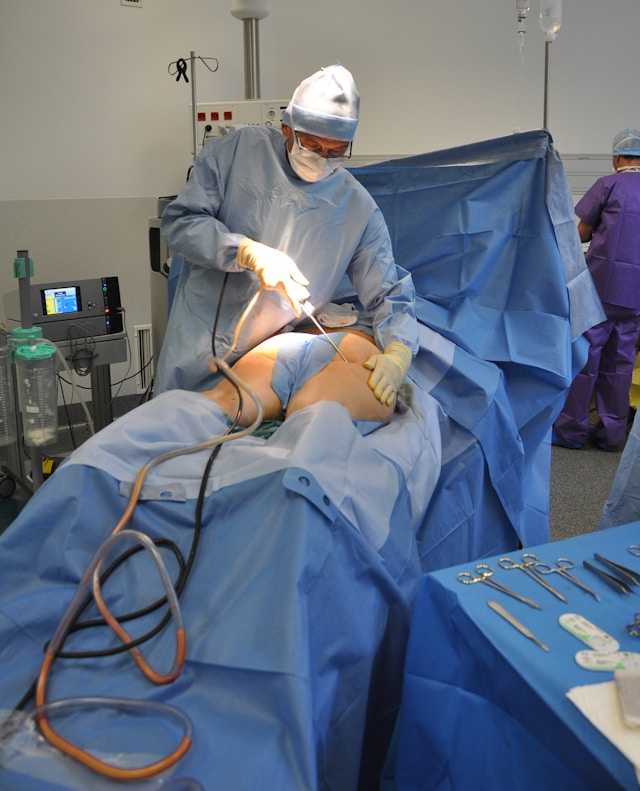
Lipovaser Procedure Step by Step
- The first step to begin the procedure is to apply general anesthesia or conscious sedation.
- Then incisions of less than one centimeter are made.
- After that, tumescent fluid or saline solution is injected into the incisions near the area to be treated.
- The instrument that emits ultrasonic waves is introduced to liquefy the fat.
- The cannula is inserted through which the fat is extracted.
- The liquefied fat is suctioned out.
- Finally, the incisions are closed.
Benefits of Lipovaser
Among the most notable benefits of Lipovaser, we find the following.
- Results are more precise due to its advanced technology.
- It is a less invasive procedure and offers quick recovery.
- There is less inflammation and bruising compared to other types of liposuction.
- It protects the tissues, blood vessels, and nerves surrounding the affected area.
- It leaves barely visible scars, because small incisions are required.
These benefits are added to the advantages of traditional liposuction.
Body Areas Treatable with Lipovaser
Lipovaser is suitable for various body areas, depending on each patient’s needs. Among the most common areas we find:
- Waist.
- Abdomen.
- Hips, thighs, and flanks.
- Chin and neck.
- Chest.
- Arms.
- Buttocks.
- Knees.
- Back.
Ideal Candidates for Lipovaser
Health and Lifestyle Requirements
Lipovaser is suitable for both men and women, but it’s important to note that it is essential to enjoy good general health and maintain a healthy lifestyle. The patient must also have good skin elasticity.
Realistic Expectations and Aesthetic Goals
It’s important to remember that Lipovaser is not a weight loss procedure, so you should have realistic expectations about it. Rather, it is a treatment to target specific areas with accumulated fat.
Preparation for the Procedure
Lipovaser requires some prior preparations. As with facelift preparation or any other surgery, you should notify the surgeon if you are taking medications, as well as avoid anticoagulants (consult your doctor first).
It’s also necessary to stop smoking and consuming alcoholic beverages, and following any other instructions from the surgeon is essential to achieve surgery without complications.
Recovery and Postoperative Care
Downtime and Return to Daily Activities
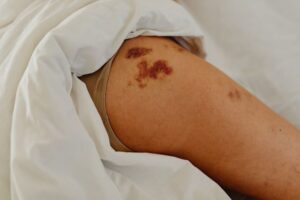
Recovery from Lipovaser is generally quick, and within a few days the patient can return to normal activities. Avoiding strenuous activities the first few weeks helps reduce bruising and swelling.
Possible Side Effects and How to Manage Them
Although Lipovaser is a safe treatment, like other aesthetic procedures, it carries some risks and complications. Such as:
- Reaction to anesthesia.
- Unexpected scars or keloids.
- Burns caused by the ultrasound tool.
The possibility of any of this happening decreases if you choose a surgeon and clinic specialized in this type of treatment.
Medical Follow-up and Long-Term Results
To ensure the best results and that they are long-lasting, it is essential to attend follow-up appointments with the surgeon. Also maintain good nutrition and an exercise routine. Although fat cells don’t reproduce, new fat deposits can form if you gain weight.
Comparison with Other Liposuction Techniques
There are different types of liposuction, such as lipolaser, Lipovaser, water-assisted liposuction, microaire liposuction, among others. Let’s see how some are similar to or different from others.
- Lipolaser vs. Lipovasor. The difference is that lipolaser uses laser technology to liquify fat and is ideal for medium and small areas, whereas lipovasor uses ultrasonic waves and is recommended for large areas where more fat accumulates.
- Water-assisted liposuction vs. Lipovasor. Water-assisted liposuction uses a tumescent solution that is injected to swell the tissue and facilitate fat removal, and differs from lipovasor because the latter relies on ultrasonic waves to eliminate fat more easily.
- Traditional liposuction vs. Lipovasor. The main difference between lipovasor and traditional liposuction is that traditional liposuction uses a cannula to directly extract localized fat, while lipovasor requires a specialized cannula that applies ultrasonic waves to liquify the fat and make extraction easier. Additionally, lipovasor offers more precise results and faster recovery with less discomfort.
If you’ve ever heard about this aesthetic treatment and wondered what lipovasor is, we hope that with all the information we’ve provided, you now have a better understanding of the concept, how it works, and the benefits it offers. If you wish to undergo this type of procedure, remember to seek out a trained and experienced surgeon who can guarantee excellent results, like those you’ll find at our clinic. Contact us for a free assessment.