Posted by Dr. Miguel Fernández Calderón: 08/06/2026
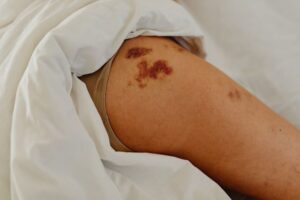
When a wound heals, it is common for the skin to regenerate gradually. However, in some people, this process is interrupted and a keloid scar forms, which is a lesion that extends beyond the limits of the original wound. In addition to its effect on appearance, it can cause discomfort such as itching, sensitivity, or even pain.
A keloid / keloids can develop after surgery, a burn, a piercing, or even an injury that seems small and insignificant. Although they do not pose a serious health risk, they can affect the self-esteem and quality of life of those who suffer from them.
What is a keloid scar?
A keloid scar is the result of an excessive accumulation of scar tissue that occurs during the skin healing process. Unlike normal scars, these continue to grow even after the wound has completely healed.
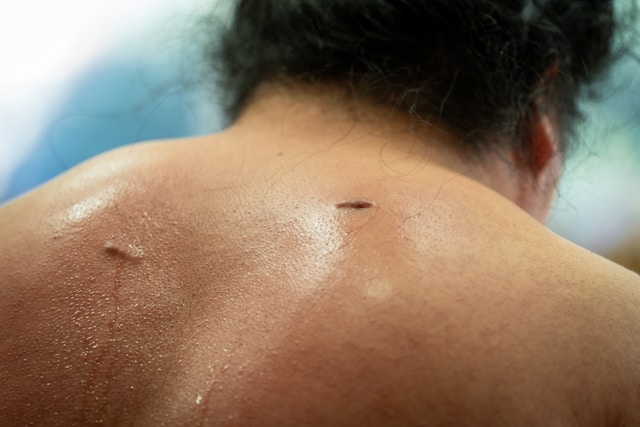
They generally have an elevated, firm, and shiny appearance. Depending on skin tone, they can be reddish, pink, or darker than the surrounding skin.
Keloids can appear anywhere on the body, but are more common on the chest, shoulders, back, ears, and jawline.
Keloid scar vs hypertrophic scar: differences
It is common to confuse a keloid scar with a hypertrophic scar, because both have an excess of tissue during the scarring process.
The key difference is that the hypertrophic scar remains within the margins of the original wound. On the other hand, the keloid scar spreads toward the healthy skin surrounding it and can continue to grow.
Additionally, hypertrophic scars tend to improve on their own in some cases. In contrast, keloids rarely disappear without some form of treatment.
If you have had aesthetic surgery, for example on the abdomen, and are concerned about how your abdominoplasty scar is progressing, learning about proper care and what you can expect during the recovery process will help you promote better scarring.
Why do keloids appear?
Keloids appear when the body generates too much collagen while the skin is recovering. Although the exact cause is not always known, there is a strong genetic predisposition.
Some factors that can cause a keloid scar include surgery, body piercings, severe acne, burns, and certain skin trauma.
In some people, even a small wound can trigger an exaggerated scarring reaction that results in a keloid.
Who is at higher risk of developing keloids?
Anyone can develop keloids, but there are certain factors that greatly increase the risk. Family history is one of the most relevant. If there are other family members who have had this type of scarring, the chances are higher.
They are also more common in young people, especially between the ages of 10 and 30. Some studies have noted that there are more cases in people with darker skin tones.
After certain surgeries, following medical guidance can promote proper scarring and reduce the risk of complications. For example, if you have undergone a breast lift, knowing the recommendations for mastopexia aftercare can help you better care for the area and have an appropriate recovery.
Treatments for keloid scar
The keloid scar requires treatment that is tailored to each person. There is no single solution, because the size, location, and age of the lesion directly affect the results.
Many people seek information about how to remove keloid scar when they notice that the lesion continues to grow or affects their appearance. Although completely eliminating it is not always possible, different techniques are often used together to achieve better outcomes and reduce the likelihood of recurrence.
Corticosteroid injections
Corticosteroid injections are one of the most common treatments for keloids. The purpose is to reduce inflammation and control excessive collagen production. With several sessions, the scar can become flatter, smoother, and less noticeable.
They also tend to help relieve symptoms such as itching or sensitivity.
Laser
Laser therapy can make a keloid scar look much better, especially if there is redness or changes in skin texture.
Depending on the type of laser used, a more even appearance of scar tissue can be achieved. Typically, this treatment is combined with other techniques to improve results.
Cryotherapy
Cryotherapy involves using intense cold on the lesion to eliminate part of the scar tissue. It is an option that is effective for small to medium-sized keloids. After several sessions, a gradual reduction in scar size can be noticed.
As with any medical treatment, it is important that a specialist evaluate it to determine if it is the best alternative.
Scar revision surgery
Depending on the size or shape of the lesion, a surgical procedure may be considered to remove the keloid tissue.
However, surgery alone is not always sufficient. Due to the risk of recurrence, it is normally combined with other treatments to reduce the possibility of a keloid scar reappearing.
This is especially important in people who have a predisposition to develop this type of scarring after procedures such as breast reduction surgery or any other operation that requires larger incisions.
Can keloids be prevented?
It is not always possible to prevent keloids, especially when there is genetic predisposition. Still, certain measures can help minimize the risk.
Following medical guidance, properly caring for the wound, and using preventive treatments can promote better scarring.
Scar treatment at Sculpture Clinic
If you are concerned about the appearance of a keloid scar, the first step to finding the most appropriate solution is to obtain a professional evaluation. At Sculpture Clinic, we conduct a personalized study of each case to determine the most appropriate treatment based on the characteristics of the lesion and the patient’s needs.
If you wish to receive specialized advice, you can contact the medical team through the contact page and resolve all your questions.
Frequently asked questions
How do I know if I have a keloid scar?
Keloid scars are usually elevated, firm, and can grow beyond the edges of the original wound. They can also cause persistent itching, sensitivity, or discomfort.
Medical evaluation is key to ensuring diagnosis.
What is the difference between a keloid scar and a hypertrophic scar?
A hypertrophic scar stays within the affected area, while a keloid scar extends to the healthy skin around it and can continue to grow over time.
Do keloid scars disappear on their own?
In general, keloids do not tend to disappear on their own. Therefore, if they affect appearance or cause discomfort, appropriate treatment is usually recommended to improve their appearance and manage the evolution of the keloid scar.
If you have a keloid scar and wish to treat it, consult with our specialists to evaluate the best treatment for your case.
Sources:
- https://www.mayoclinic.org/es/diseases-conditions/keloid-scar/symptoms-causes/syc-20520901
- https://www.cigna.com/es-us/knowledge-center/hw/temas-de-salud/cicatrices-queloides-abp9862
- https://medlineplus.gov/spanish/ency/article/000849.htm
- https://www.nicklauschildrens.org/condiciones/cicatrices-queloides-e-hipertroficas