Posted by Dr. Miguel Fernández Calderón: 19/02/2026
If you’re considering options to enhance your figure, you’re probably wondering what is liposuction. This surgical technique is used to eliminate fat that accumulates in certain areas of the body. We explain how it can transform your silhouette safely and effectively. If you’re seeking natural results, keep reading to understand the entire process.
What is liposuction?
Liposuction is a surgical procedure that removes fat beneath the skin through small incisions. Anesthesia is administered so the patient experiences minimal discomfort, and specialists use precise instruments to remove fat deposits that are difficult to eliminate. This procedure is not designed for weight loss, but rather to sculpt your figure.
What liposuction is used for in aesthetic medicine
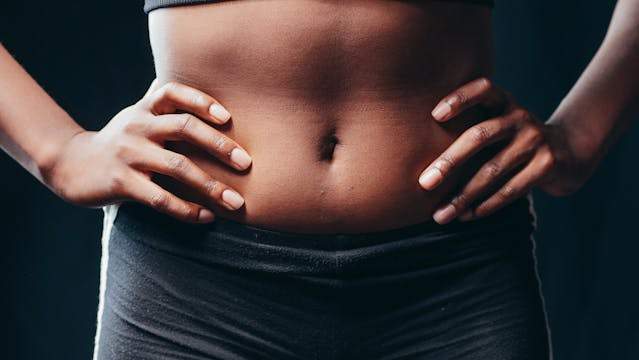
In aesthetic medicine, liposuction refines areas where fat resists disappearing despite your efforts. You can achieve a flatter abdomen or more toned thighs. It’s combined with other treatments to obtain harmonious results and sculpt your figure.
Most common body areas for liposuction
The most popular zones are the abdomen, flanks, thighs, and arms. You might consider neck liposuction or back liposuction to eliminate bulges. Each area requires personalized evaluation. Both men and women typically opt for the buttocks or hips to balance their proportions.
How liposuction works step by step
Before surgery: preparation and medical evaluation
It begins with a consultation in which the surgeon evaluates your health and expectations. Tests, such as blood work, are performed to ensure everything is in order for surgery.
It’s important that you adjust your habits, such as quitting smoking weeks before, to ensure the procedure is performed without complications.
Techniques and methods used in liposuction
- Tumescent-assisted suction: uses tumescence to increase fat volume, allowing for gentler extraction.
- Ultrasonic: ultrasonic waves convert fat into liquid before aspiration, which is ideal for areas with fibrous tissue.
- Laser-assisted: the laser melts fat, helping the skin contract after surgery.
- Power-assisted: mechanical vibrations make the process faster, reducing surgeon fatigue.
The cannula suction process
During surgery, a thin cannula is inserted through minimal incisions. The patient is under anesthesia while the surgeon uses the cannula to break down and aspirate the fat. The fluid injected helps regulate bleeding. Once complete, incisions are closed with sutures that dissolve.
Types of liposuction: variants and technologies
Traditional liposuction
The classic technique includes saline solution injection and manual aspiration. You will see consistent results in larger areas. It works well for moderate fat volumes and requires a standard recovery period, with some initial swelling.
Ultrasonic liposuction
This technique uses ultrasound to emulsify hard fat. It helps you have less trauma to surrounding tissues and is perfect for the back or men’s arms.
Laser-assisted liposuction
The laser heats and liquefies fat while stimulating collagen production, which helps with skin firmness. You’ll notice an improvement in skin elasticity and firmness. It’s an appropriate technique for delicate areas, such as the neck, as it combines fat removal with a rejuvenation effect.
Modern and minimally invasive techniques
Current innovations include radiofrequency liposuction or cryolipolysis as complementary treatments. You can opt for techniques with smaller incisions, which reduces recovery time.
Who is the ideal candidate for liposuction?
Health requirements before surgery
You must be in good overall health and not have chronic diseases. It’s important to maintain a stable weight and close to your ideal weight. Additionally, it’s recommended not to smoke or to be willing to quit the habit before the procedure. A psychological evaluation also helps ensure you have realistic expectations about the results.
What liposuction cannot correct
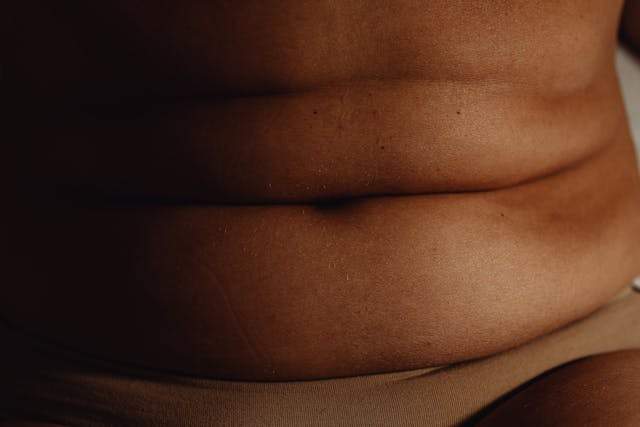
Liposuction is not a treatment for obesity, but rather a procedure designed to eliminate localized fat. It does not correct cellulite or existing stretch marks. Its goal is to improve body contour, so it does not replace a balanced diet or exercise. Understanding its limitations is fundamental to achieving optimal satisfaction with the results.
Benefits of liposuction
Body contour reshaping
Removing fat deposits helps you achieve a more harmonious figure and improve your body’s natural proportions. Results are lasting if you maintain a healthy lifestyle.
Improvement of areas that don’t respond to diet or exercise
Stubborn areas like the neck respond very well, helping you gain confidence with lasting changes that complement your fitness routine and adapt to your anatomy.
At this point, remember what liposuction is: a procedure that eliminates localized fat with surgical precision.
Risks and possible complications
Common risks associated with any surgery
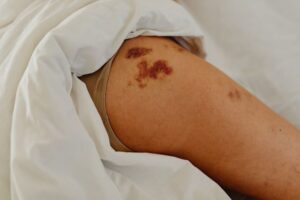
As with any procedure, there are risks such as infection or anesthesia reactions, although you can minimize them by following proper post-operative hygiene. Bleeding or bruising are common but temporary. Choosing a certified clinic is key to ensuring your safety.
Specific risks of liposuction
You may experience skin irregularities or asymmetries if the procedure is not performed correctly, as well as temporary numbness in the treated area. Although uncommon, there is also a risk of fat embolism. Speaking with your surgeon about possible risks and their prevention is essential.
Recovery after liposuction
Typical recovery time
You will be able to resume light activities in approximately one week, although complete recovery may take several months. Swelling will decrease gradually. Office work is usually possible soon, but intense exercise should wait. Patience is key to achieving optimal results.
What to expect in the first few days
Pain is usually manageable with medication and it is normal to experience bruising and swelling. You will need to wear compression garments to provide support and promote recovery, along with initial rest to avoid complications. Staying hydrated and taking gentle walks also help.
Tips to accelerate recovery
Maintain an anti-inflammatory diet rich in fruits and natural foods. Professional lymphatic massage can help you reduce inflammation and improve recovery, and it is important to avoid direct sun exposure on treated areas. Always follow medical instructions to the letter.
Understanding what liposuction is allows you to decide safely if it is right for you. It is a transformative technique that should always be under professional guidance.
Sources:
Liposucción o Abdominoplastía?
Liposucción: Qué es, Zonas de Aplicación y Precio
https://www.mayoclinic.org/es/tests-procedures/liposuction/about/pac-20384586
https://imclinic.com/es/im-blog/que-es-liposuccion/